Cameron Herrin, now 21, has become a polarizing figure after a tragic incident in 2018 led to the deaths of Jessica Reisinger-Raubenolt and her 21-month-old daughter, Lillia. Herrin was racing his Ford Mustang at speeds exceeding 100 mph when he struck the mother and child as they crossed Bayshore Boulevard in Tampa. After pleading guilty to vehicular homicide, he was sentenced to 24 years in prison, a decision that has since sparked a mix of outrage and fascination online.
Following his sentencing, courtroom footage of Herrin quickly went viral. Many on social media became captivated by his appearance, leading to an unusual trend where users described him as ‘too cute’ for prison. This fascination has overshadowed the severity of his crime and led to the creation of a petition that has garnered nearly 29,000 signatures, advocating for a reduction in his sentence. Some supporters argue that the punishment is excessive, while others seem to be drawn solely by his looks.
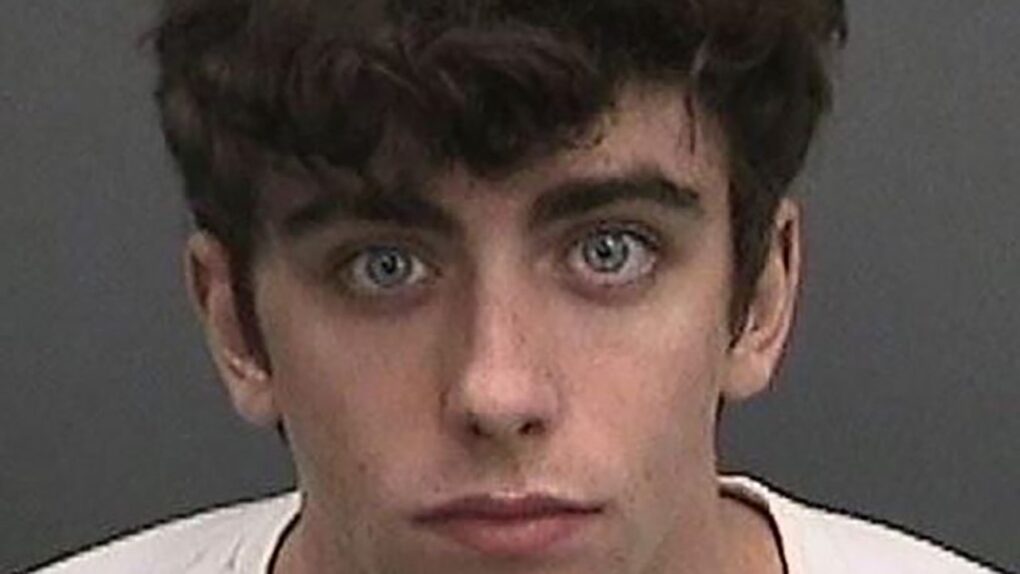
Despite the tragic narrative surrounding Herrin’s actions, social media has transformed him into a controversial figure of obsession. Many TikTok videos have amassed billions of views, featuring edits of Herrin crying during his court appearance or sipping water, often paired with popular music. This phenomenon has raised questions about society’s values, especially when attractiveness appears to overshadow accountability for serious crimes.
Herrin’s mother, Cheryl, has expressed concern over the unhealthy fixation people have developed towards her son. She has reported receiving disturbing phone calls from supporters and noted that some individuals have gone so far as to stalk her fiancé. This situation illustrates a troubling aspect of social media culture, where the focus shifts from the gravity of a crime to the allure of a person’s appearance.
As the conversation around Herrin continues to evolve, it highlights a critical issue in how society perceives crime and punishment. The overwhelming support for Herrin, particularly from his younger fans, raises important questions about justice and the impact of social media on public opinion. While some advocate for compassion and understanding, it is essential to remember the lives lost due to reckless behavior on the road.