
Juan Hernandez was not a celebrity founder, a Silicon Valley investor, or a high-profile executive. He was a welder earning around $28 an hour, working with his hands on the rockets that helped change the space industry.
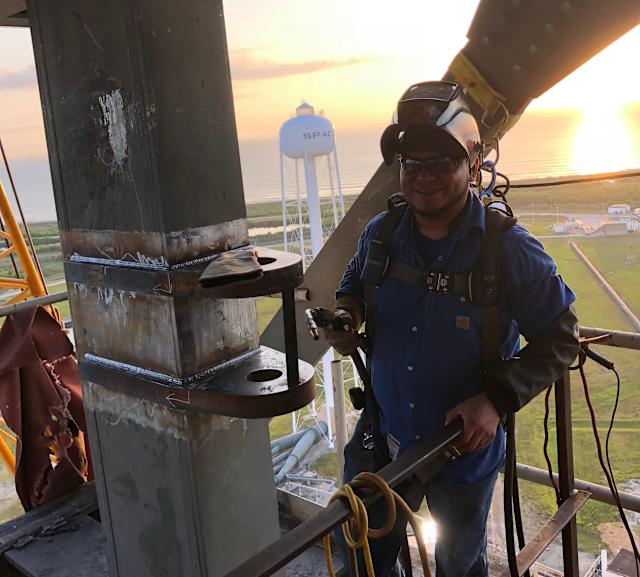
Originally from Mexico, Hernandez reportedly worked at SpaceX during a period when the company was still fighting to prove that private spaceflight could compete with, and eventually reshape, one of the most difficult industries in the world. While engineers, executives, and investors often get the spotlight, workers like Hernandez were part of the physical backbone of the company. They helped turn designs, calculations, and bold promises into real machines capable of reaching space.
According to the story, when Hernandez became a full-time SpaceX employee in 2015, he received $10,000 worth of company stock. For many workers, that kind of benefit would feel like a bonus to cash out as soon as possible. Life is expensive. Bills come first. A quick payout can be tempting, especially when the future value of private company stock is never guaranteed.
But Hernandez reportedly made a different decision.
He held on.
Not only did he keep the original stock, but he continued buying more shares with every paycheck over the next decade. While most people talk about investing, Hernandez quietly lived it. He was not making viral videos about wealth. He was not selling courses. He was not pretending to be a financial guru. He was simply working, saving, and believing in the company he helped build.
Now, with SpaceX stock reportedly trading around $167 per share in private markets, his holdings are said to be worth more than $1 million.
That is the part of the story that makes people stop and think.
Because this is not the typical millionaire story. It is not about someone born into money or someone who built a tech startup from a college dorm room. It is about a skilled worker who was given a chance to own a small piece of the company he worked for and had the patience to let that ownership grow.
There is something powerful about that.
Hernandez helped build the rockets, and through stock ownership, he also owned part of the company sending those rockets into space. His wealth did not come only from wages. It came from participation. From ownership. From staying invested while the company grew.
That is the lesson many people miss.
A paycheck can help someone survive. Ownership can help someone build wealth.
For decades, workers have often been separated from the upside of the companies they help create. They put in the hours, build the products, deliver the service, and carry the daily pressure, while the biggest financial rewards usually go to founders, executives, and investors. But stories like this show what can happen when regular employees are also given a real stake in the future.
It also shows the power of patience.
Ten years is a long time to hold an investment, especially in a private company where the value is not always visible. There are no daily stock charts to watch. No easy button to sell. No guarantee that the company will succeed. SpaceX could have failed many times. Rockets exploded. Deadlines slipped. Critics doubted the company. But Hernandez kept going.
That decision reportedly turned a $10,000 stock grant into a life-changing amount of money.
The most inspiring part is not just the number. It is the person behind it.
Not a CEO.
Not a celebrity.
Not an influencer.
A welder.
A man who worked on the machines that made history, and who had enough belief and discipline to own a piece of that history.
In a world where everyone is looking for shortcuts to wealth, this story is a reminder that real wealth creation often looks quiet. It looks like showing up to work. Learning a skill. Taking ownership seriously. Investing consistently. Waiting longer than most people are willing to wait.
Juan Hernandez’s reported journey from $28 an hour to millionaire status is more than a feel-good story. It is a lesson in what happens when workers are not just paid for their labor, but included in the growth they help create.